
BCG Vaccine: A Small Injection with a Big Role in Protecting Children
The Bacillus Calmette–Guérin (BCG) vaccine is one of the oldest and most widely used vaccines in the world. It has played a major role in protecting millions of children from severe forms of tuberculosis (TB), especially in countries where TB is common. Although it is a small injection given early in life, its impact on public health is significant.
What Is the BCG Vaccine?
The BCG vaccine is made from a weakened form of Mycobacterium bovis, a bacterium related to the one that causes tuberculosis. Because the bacteria are weakened, they do not cause the disease but instead help the body’s immune system learn how to fight TB. The vaccine was first developed in the early 20th century and is still part of routine childhood immunization programs in many countries today.
Why Is the BCG Vaccine Important?
Tuberculosis is a serious infectious disease that mainly affects the lungs but can also spread to other parts of the body, such as the brain and bones. In young children, TB can lead to severe complications like TB meningitis, which can be life-threatening. The BCG vaccine is especially important because it protects infants and young children from these severe forms of TB.
Although the vaccine does not completely prevent all types of tuberculosis, it significantly reduces the risk of severe illness and death in children. This makes it a vital tool in improving child survival and public health.
When and How Is the BCG Vaccine Given?
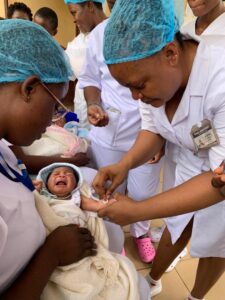
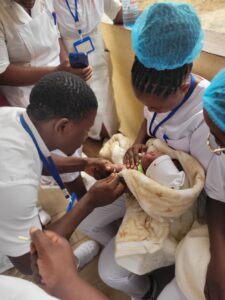
The BCG vaccine is usually given at birth or within the first few weeks of life. It is administered as a single injection, commonly on the upper arm. After vaccination, a small swelling may appear at the injection site. This may later form a small sore and eventually heal, leaving a permanent scar. This scar is normal and is often used as evidence that the vaccine was received.
Safety and Side Effects
The BCG vaccine is generally safe. Most children experience only mild side effects, such as redness or swelling at the injection site. Serious side effects are rare, especially in healthy children. Health professionals carefully screen children before vaccination to ensure it is safe, particularly for those with weakened immune systems.
Additional Benefits of the BCG Vaccine
Recent research suggests that the BCG vaccine may have additional benefits beyond TB protection. It appears to strengthen the immune system in a general way, helping the body fight other infections. While research is ongoing, these findings highlight the broader importance of the vaccine in child health.
Conclusion
The BCG vaccine remains a powerful and important part of global immunization efforts. By protecting children from severe tuberculosis, it saves lives and reduces long-term health problems. Parents and caregivers should understand that this early vaccine is a simple but effective step toward giving children a healthier start in life. In the fight against tuberculosis, the BCG vaccine continues to stand as a strong first line of defense.


0 Comments