
The Importance of Community Health Nurses in Nursing Education and Practice
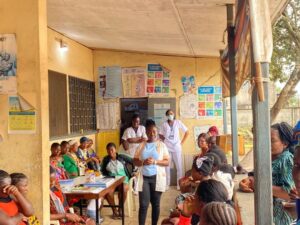
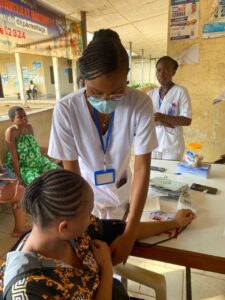
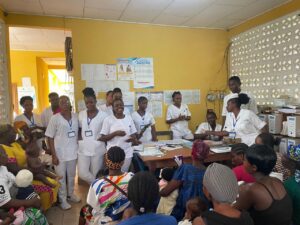
Community health nursing is a very important branch of nursing that focuses on promoting health, preventing disease, and improving the well-being of individuals and families within their communities. For nursing institutions, community health nursing is not just a subject in the classroom; it is a practical and essential part of student training. Through community internships, nursing students gain real-life experience that prepares them to become competent and responsible professionals.
Nursing institutions have the responsibility to train students not only in hospital care but also in community-based practice. Many health problems begin and develop within the community. Therefore, students must understand how to identify health risks early, educate people, and provide preventive care. Community internships allow students to leave the classroom and hospital environment to work directly with families, schools, and local health centers.
During community internships, students learn how to conduct home visits. They assess living conditions, hygiene practices, nutrition, and general family health. This experience helps them understand the social and environmental factors that influence health. It also teaches them how to communicate clearly and respectfully with people from different backgrounds.
Another important aspect of community practice is health education. Nursing students are trained to organize and deliver health talks on topics such as malaria prevention, immunization, maternal health, family planning, and sanitation. By doing this, students develop confidence in public speaking and leadership. They also learn that prevention is more effective and less costly than treatment.
Immunization programs are also a key part of community internship. Under the supervision of qualified community health nurses and tutors, students participate in vaccination campaigns and outreach services. They learn proper vaccine storage, administration techniques, and record keeping. Strict supervision by nursing institutions ensures that students follow professional standards and ethical guidelines during these activities.
Nursing institutions must strictly monitor and evaluate students during community internships. Regular supervision ensures that students apply theoretical knowledge correctly in real-life situations. Clinical instructors and preceptors guide students, correct mistakes, and reinforce safe practices. This strict follow-up helps maintain high standards of nursing care and protects community members.
Community practice also helps students develop compassion and cultural sensitivity. They learn to respect community beliefs while promoting healthy behaviors. These experiences shape their professional attitudes and strengthen their commitment to service.
In conclusion, community health nursing is extremely important in nursing education. It connects theory to practice and prepares students for real-world challenges. Nursing institutions must strictly supervise and support students during community internships to ensure safe, effective, and ethical practice. Through proper training and community exposure, nursing students become skilled professionals who can improve public health and serve society with excellence.



0 Comments