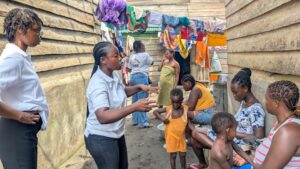
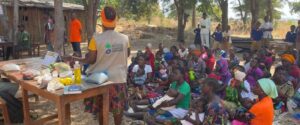
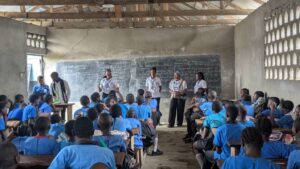
Community health education and sensitization are not optional duties in nursing practice. They are professional responsibilities and moral obligations for every nurse, student nurse, and health worker. As caregivers and public health advocates, we are not only called to treat diseases but also to prevent them. Prevention remains the most effective and affordable way to protect lives.
As nurses and student nurses, we stand at the frontline of healthcare. We interact directly with patients, families, and communities. This position gives us a powerful opportunity to educate, guide, and influence healthy behaviors. Every patient encounter is a chance to teach. Every community gathering is a platform to create awareness.
Community health education simply means providing clear, simple, and practical health information that people can understand and apply. Sensitization goes further by encouraging individuals and communities to take action. It is not enough to give information; we must inspire change.
Many preventable diseases such as malaria, cholera, typhoid, HIV/AIDS, tuberculosis, hypertension, and diabetes continue to affect our communities. In most cases, lack of knowledge and poor health practices contribute greatly to their spread. As nurses, we have the knowledge that can stop these diseases before they begin.
Teaching proper handwashing techniques can prevent diarrheal diseases. Educating families about eliminating stagnant water can reduce mosquito breeding and malaria cases. Encouraging antenatal visits can prevent maternal and neonatal complications. Promoting vaccination protects children from life-threatening infections. These simple actions, when consistently taught and practiced, save lives.
Student nurses must understand that community health education is part of professional growth. It develops communication skills, leadership qualities, and cultural understanding. During clinical postings and outreach programs, students should actively participate in health talks, home visits, and community campaigns. This builds confidence and prepares them for future responsibilities.
For practicing nurses, health education should be integrated into daily patient care. When administering medication, explain its purpose and importance of compliance. When discharging a patient, provide clear instructions on follow-up care. When meeting families, discuss nutrition, hygiene, and preventive measures. These small efforts make a lasting difference.
Health workers must also fight misinformation and harmful beliefs. In some communities, myths about vaccination or certain diseases create fear and resistance. Through respectful dialogue and clear explanations, nurses can correct false information and build trust. Trust is essential in promoting healthy behaviors.
Community sensitization also promotes early detection of diseases. Teaching people to recognize warning signs such as persistent cough, unusual bleeding, severe headaches, or sudden weight loss encourages early hospital visits. Early treatment reduces complications and improves survival rates.
Above all, community health education reflects our commitment to holistic care. Nursing is not only about injections and wound dressings. It is about advocacy, empowerment, and prevention. It is about protecting not just one patient, but entire communities.
In conclusion, community health education and sensitization are sacred obligations for nurses and health workers. We are educators, leaders, and agents of change. By sharing knowledge with clarity and compassion, we prevent diseases, reduce suffering, and build healthier societies. Let us embrace this responsibility with dedication, professionalism, and a heart for service.

0 Comments